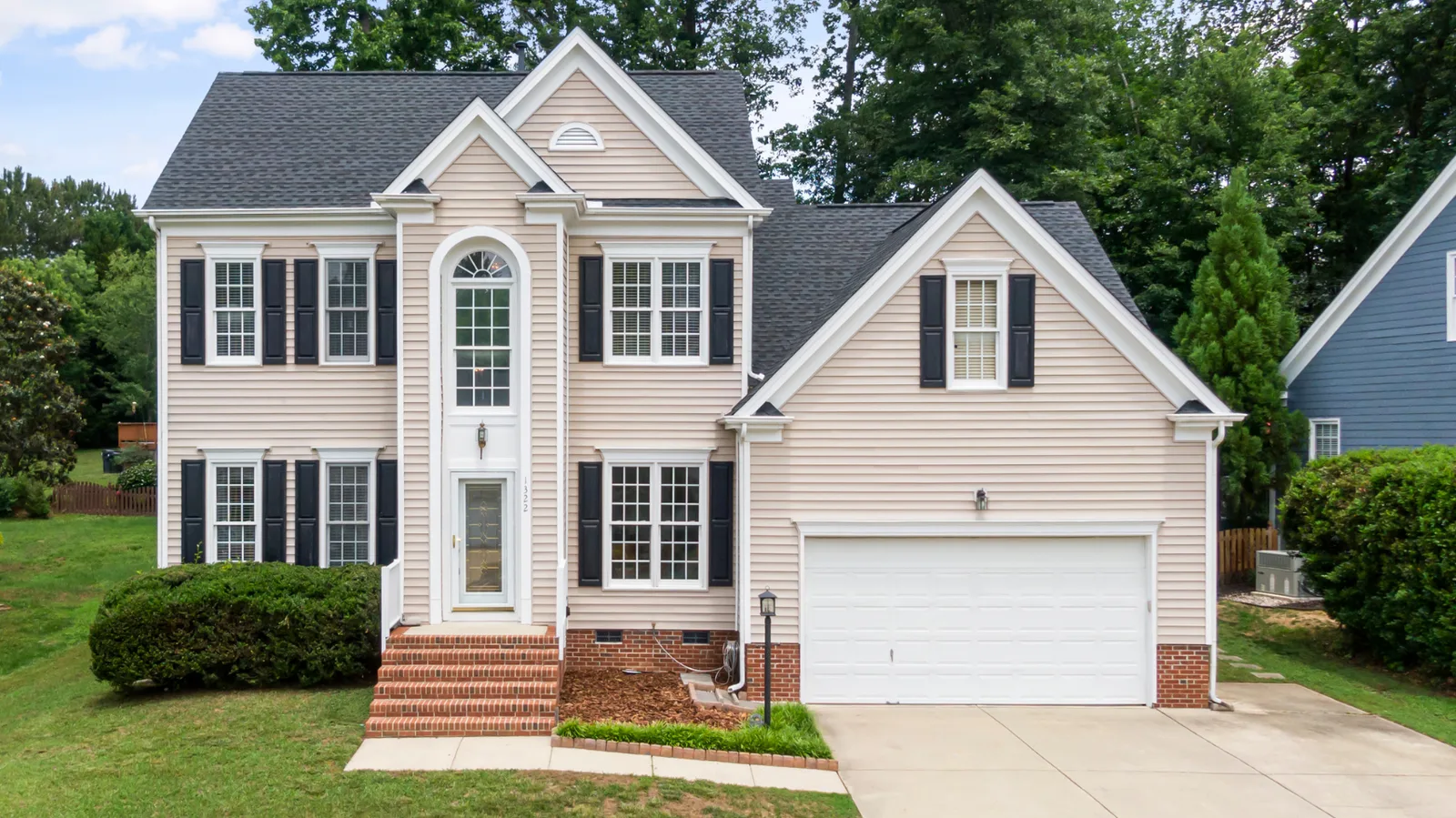
Two-story house with a dark shingle roof and black shutters

Roof Flashing Repair in Yukon, OK

A roof can leak where it meets a wall, chimney or penetration even when the main covering remains serviceable. Flashing repair follows that connection and the water path behind it, rather than treating every opening as a shingle problem.

Roof-to-wall and flashing repair questions

Request a free roof inspection

Tell us about the property and what you have noticed.

Roof-to-wall and penetration flashing repair in Yukon

Shingles carry water down a slope. At a wall or penetration, that flow meets an interruption. Flashing has to connect the roof to the adjoining surface so water continues outward instead of entering the gap.

The visible metal is only part of that connection. A wall has its own drainage layer behind the siding, and the flashing must integrate with it. A surface bead along a disconnected detail can hide the edge without restoring the water path behind it.

That is why access matters. A dependable repair can require opening nearby roofing or siding to reach the actual failed connection, with any damaged material beneath it addressed before the area is closed.

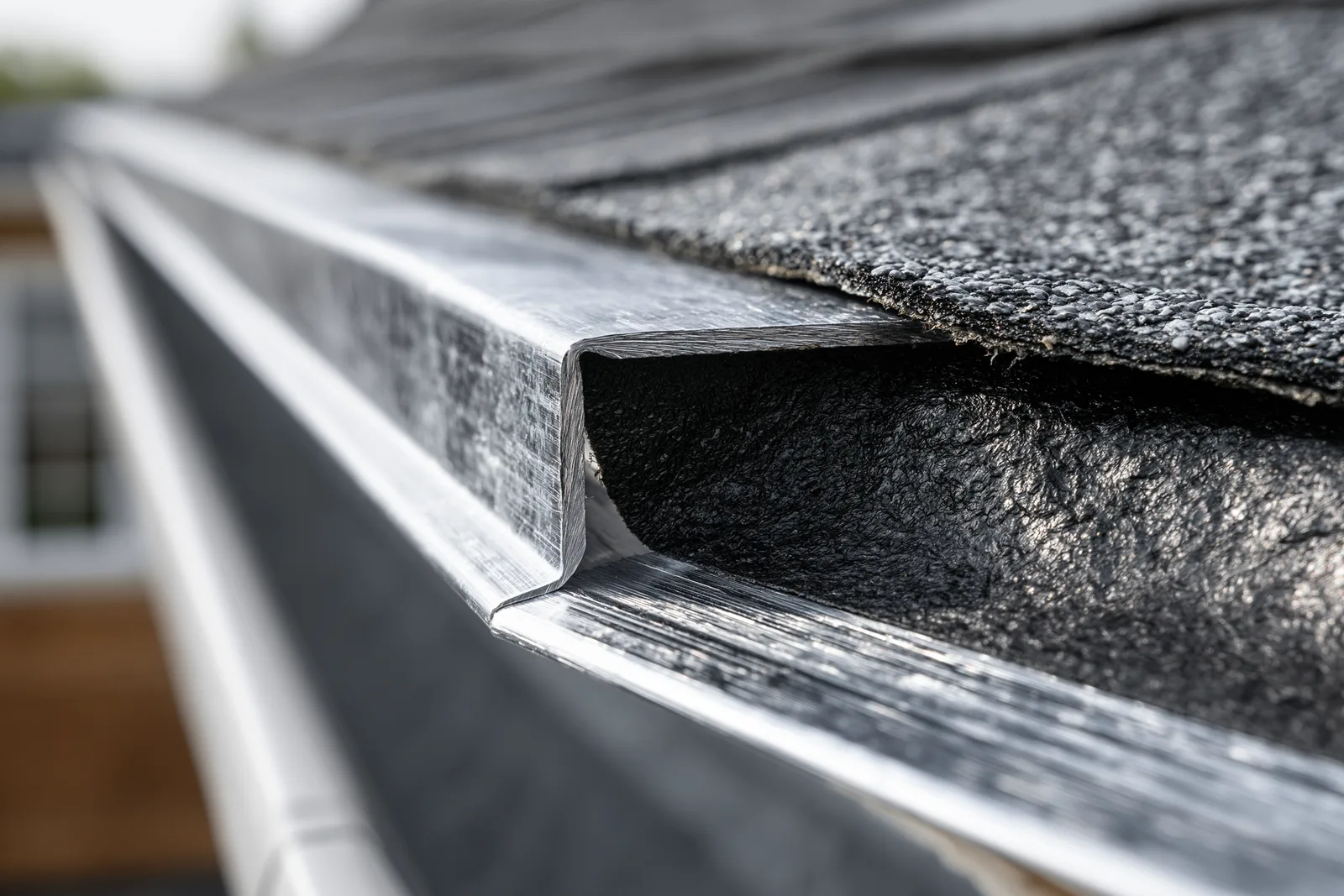
Roof eave showing shingle edge, metal drip edge and a gutter
At the roof edge, the covering and metal detail must direct water outward into the drainage path.

Step, kick-out and penetration flashing

Step flashing at a sidewall

Individual pieces work with the shingle courses where a sloped roof runs beside a wall. The vertical side has to connect to the wall's water-control layer, not simply end against the outside face of the siding.

Repairing damaged pieces can involve the surrounding covering and cladding so the layers overlap in the correct water-shedding direction.
Kick-out flashing at the lower end

At the bottom of a roof-to-wall junction, the runoff needs a way out. A kick-out diverts it away from the wall and toward the roof-edge drainage path, rather than allowing it to spill behind the cladding.

If that diversion has been missing or disconnected, the adjacent material needs assessment as part of the repair.

Flashing around penetrations

A pipe, curb or chimney interrupts the roof in a different shape. The detail must fit that interruption and remain compatible with the roof covering.

The condition of the surrounding shingles, underlayment and support affects how much needs to be opened to make the connection sound.

Chimney flashing and concealed wall connections

A chimney creates an uphill obstruction and connections along several sides. The roofing detail has to route water around it and connect to the chimney-side water protection. The shape and condition of that actual junction determine the work.

A cricket, where it is part of the design, directs water around the uphill side. It is one detail within the larger connection, not a substitute for properly connected flashing, covering and support.

Opening the area can reveal damaged sheathing, framing or an adjoining wall issue. That scope differs from resealing an exposed edge. Roofing, siding and any necessary masonry work should be distinguished so the repair resolves the actual entry path.

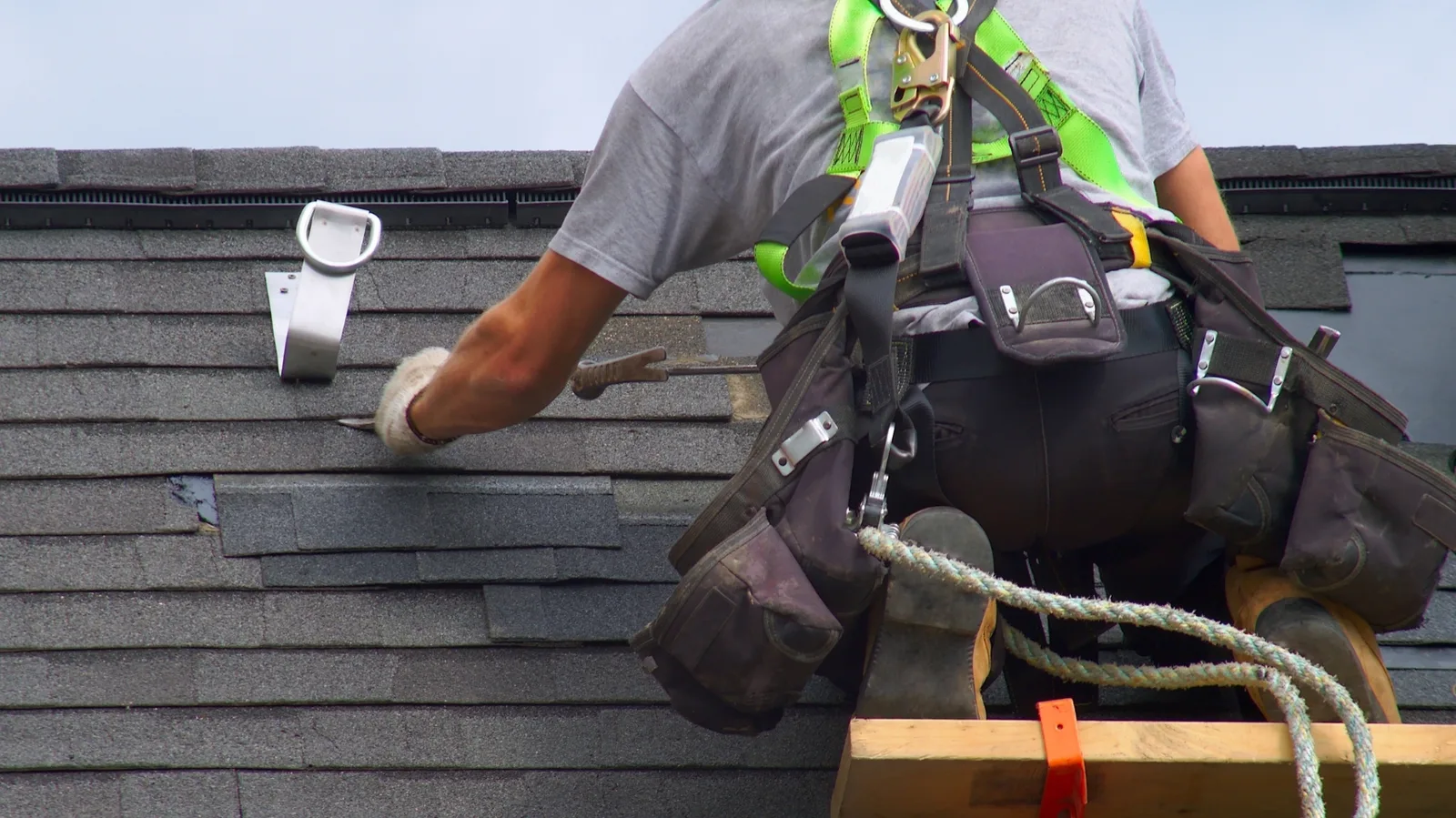
A roofer secured with a safety harness working on asphalt shingles
A peaked cricket directs water around the uphill side of this chimney detail.

Roof flashing repair process in Yukon

  1. Trace the actual entry and connection

    The room where water appears is useful context. The roof-to-wall or penetration detail needs examination before assuming the visible edge is the source.

  2. Open enough material to reach the failed detail

    The repair can involve adjacent shingles, siding or water-control layers. Access and the condition of those materials affect the boundary and labor.

  3. Restore the connected layers

    Repair damaged support where necessary, use compatible flashing and integrate the roof and adjoining drainage layers. The work has to shed water after the area is closed.

Flashings also belong in a roof replacement scope. New covering does not make an unresolved wall connection disappear.

Roof flashing repair FAQs in Yukon

Can flashing be repaired without replacing the whole roof?

Yes, a local flashing problem can have a repair boundary when the surrounding assembly is suitable. How far the roof or adjoining wall must be opened depends on the failed connection and the material available to tie the repair into.

Why does a flashing leak cost more than replacing a visible piece of metal?

The work may include access through shingles or siding, integration with concealed drainage layers and replacement of damaged material underneath. The labor and connected scope can be larger than the exposed metal suggests.

Is caulk enough to fix the leak?

Sealants have roles in specified roof details, but a bead on the outside does not rebuild missing, damaged or incorrectly connected flashing behind it. The repair needs to address how the layers shed water.

What should I include when I ask about a roof-to-wall leak?

Tell us the room and where you have noticed water, such as near a chimney or an upstairs wall. You do not need to inspect the junction yourself. The roof inspection page explains how that concern becomes a roofing decision.

Single-story house with a brown shingle roof and covered entrance

Roof flashing inspections in Yukon

Describe where water has appeared and any wall, chimney or pipe detail you already know is involved. Include the property location.

(405) 467-3350

Request a free roof inspection

Share the location and what you have noticed.

Call (405) 467-3350Request inspection