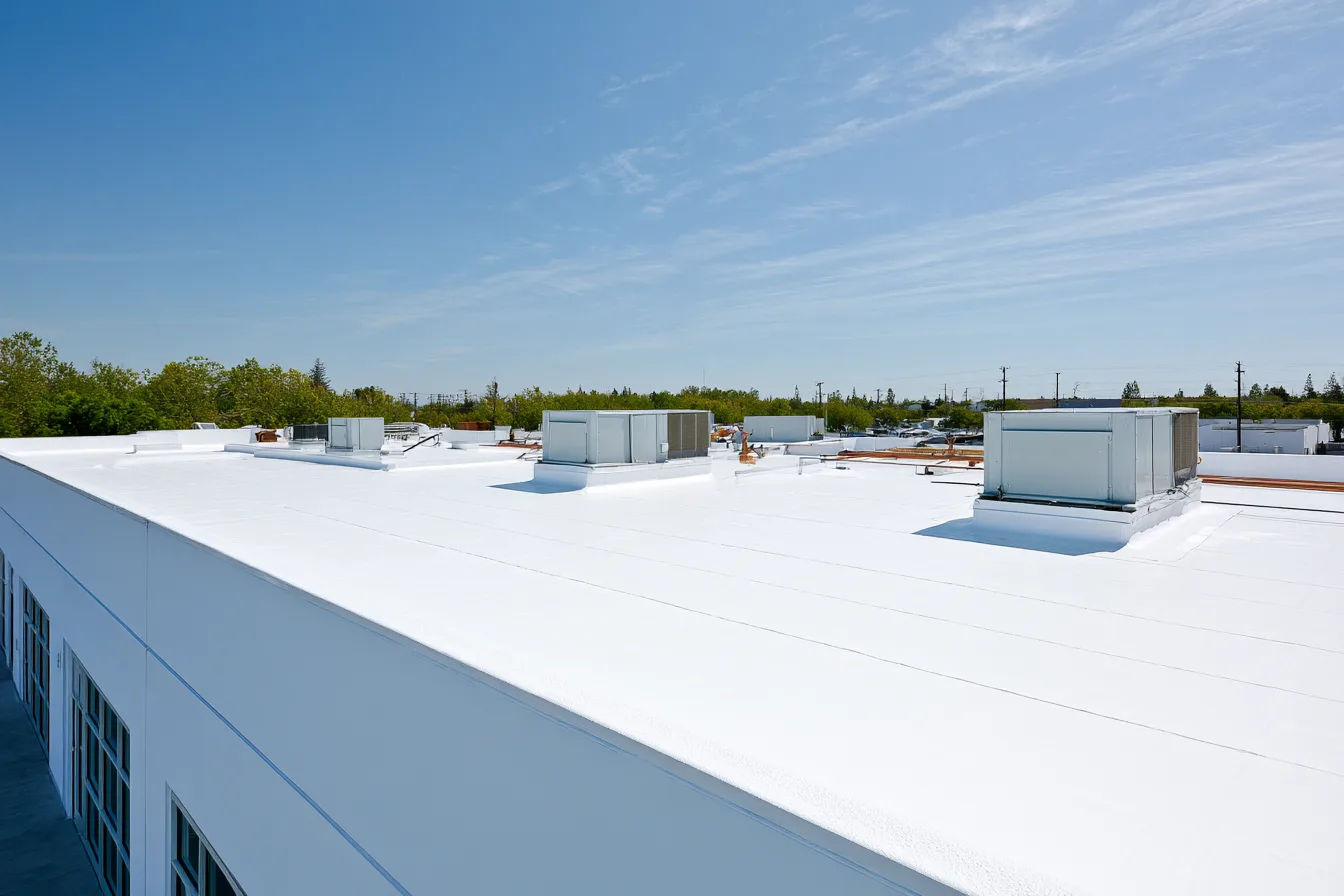
White low-slope membrane roof with seams and rooftop equipment

Commercial Roofing in Yukon, OK

A leak over a sales floor, a recurring problem around rooftop equipment, or a roof approaching replacement needs a plan for the building as well as the covering. Start with the condition of the assembly, the work it needs and the way your property is used.

Roof repair, restoration questions and replacement planning

Tell us about your commercial roof

Tell us about the property and what you have noticed.

Commercial roof assessment in Yukon

The spot where water reaches a ceiling is the place the problem becomes visible. The entry point can be farther away, with water moving beneath the covering or along part of the roof assembly. A patch at the nearest visible mark will not solve a leak coming through a different seam, curb or penetration.

A commercial roof assessment starts with the existing system: its covering, attachment, insulation, deck and drainage. Recurring leak locations and earlier repairs help explain what has happened, while the condition of the surrounding materials determines whether new work can connect to a sound assembly.

Then there is the building below. An occupied office, a retail entrance and a loading area create different access and protection needs. Those constraints belong in the proposed work from the beginning, alongside the roof repair itself.

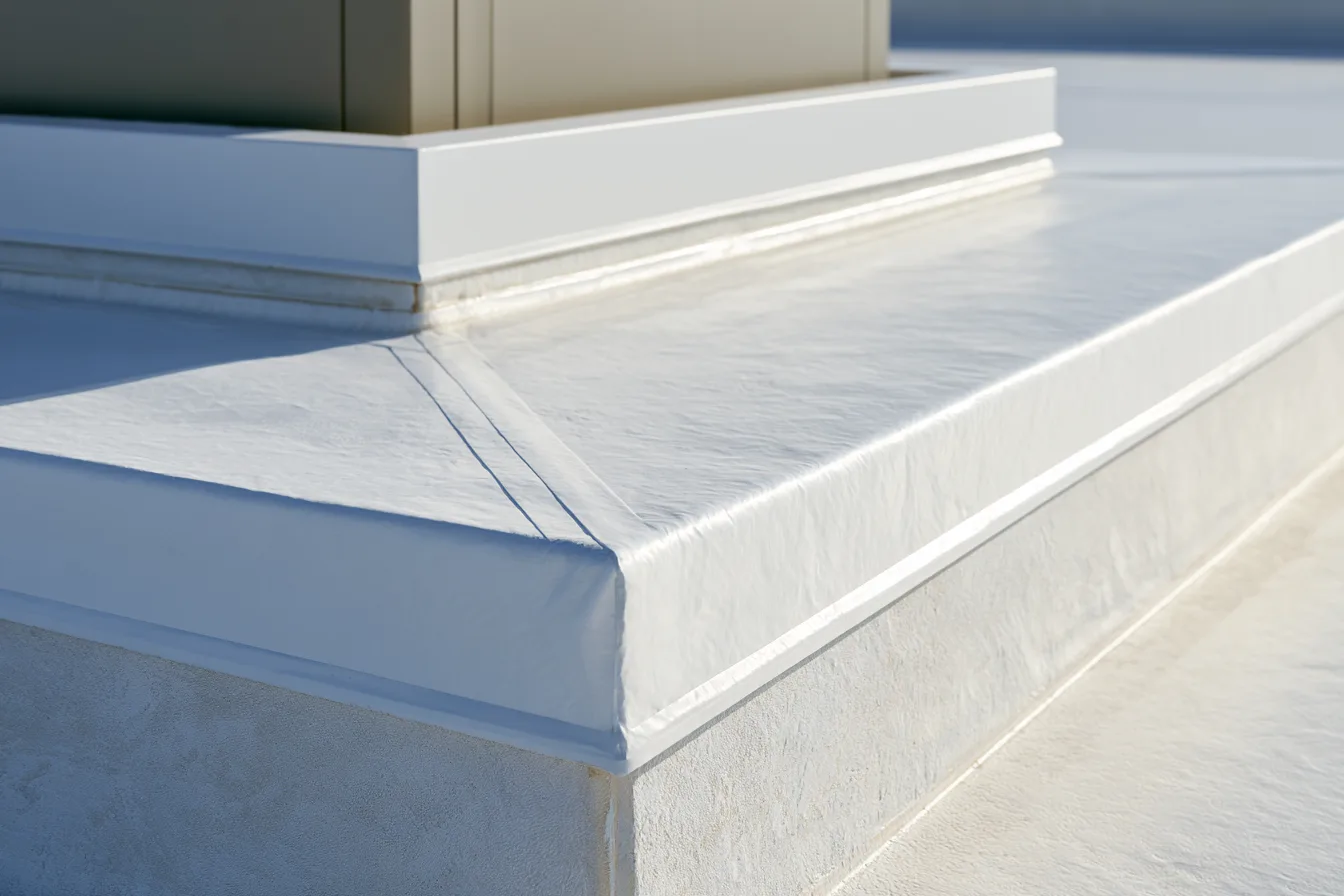
White membrane flashing turned up around an equipment curb
The roof covering has to connect to the raised curb beneath rooftop equipment.

Commercial roof systems and repair details

System identification comes before repair-material selection. A welded thermoplastic seam, a rubber membrane detail and a granulated sheet roof need different methods and compatible materials. The field of the roof is only part of the inspection.

The roof system changes the details. Explore TPO roofing for thermoplastic seam and attachment questions.

For rubber membranes, the EPDM guide explains the different seam and repair-compatibility questions.

Existing roofDetails that need attentionWhat changes the work
TPO or PVC membraneHeat-welded seams, membrane around curbs and penetrations, edges and drain connections.The membrane type, surface condition and compatible repair details matter. Chemical or grease exposure can also affect system selection.
EPDM rubber membraneSeams, perimeter attachment and the rubber-system flashing around pipes and equipment.Repairs need compatible tapes, adhesives and flashing. The work is different from welding a TPO or PVC seam.
Modified-bitumen sheet roofingLapped joints, roof edges and transitions into curbs, walls and drains.The repair must suit the existing material, surfacing and application method. A sound surface repair still depends on the layers beneath it.
An existing coated roofCoating adhesion, open details, drainage and the condition of the underlying roof.A new coating needs a suitable prepared surface. Covering an unresolved leak or wet material does not correct the assembly underneath.

Commercial roof repair, coating or replacement in Yukon

The right choice turns on the extent of the problem and what can safely remain. An isolated detail failure and a wet, deteriorated assembly should not receive the same recommendation.

Repair a defined problem

A localized seam, penetration or flashing defect can be repaired when the surrounding roof and supporting materials remain suitable. The work has to restore the connection that failed, with compatible materials and enough sound roofing around it to make a dependable repair.

If the same area keeps leaking, the repair boundary deserves another look. The source of the water, movement at a detail or moisture beneath the covering may extend beyond the earlier patch.

The flat roof repair page develops local repair boundaries around details, moisture and drainage.
Restore an eligible roof

A coating can be an option for a compatible roof with a suitable substrate. Preparation, adhesion, repaired details and the specified coating system all matter. Acrylic and silicone products have different application requirements; choosing a white finish is not the whole specification.

Restoration also needs a moisture decision. Wet insulation, unsound support or an attachment problem cannot be corrected by sealing a fresh surface over it.

Our coatings and restoration page explains preparation, suitability and the wet-layer limits behind that choice.

Replace what cannot remain

Partial or complete replacement becomes the useful comparison when deteriorated or wet materials need removal, the existing assembly cannot support the proposed system, or the repair would leave wider failures unresolved.

Removal creates an opportunity to address the deck, insulation, attachment and drainage together. Whether an existing layer can remain also depends on the actual assembly and applicable requirements.

Commercial roof drainage, curbs and penetrations

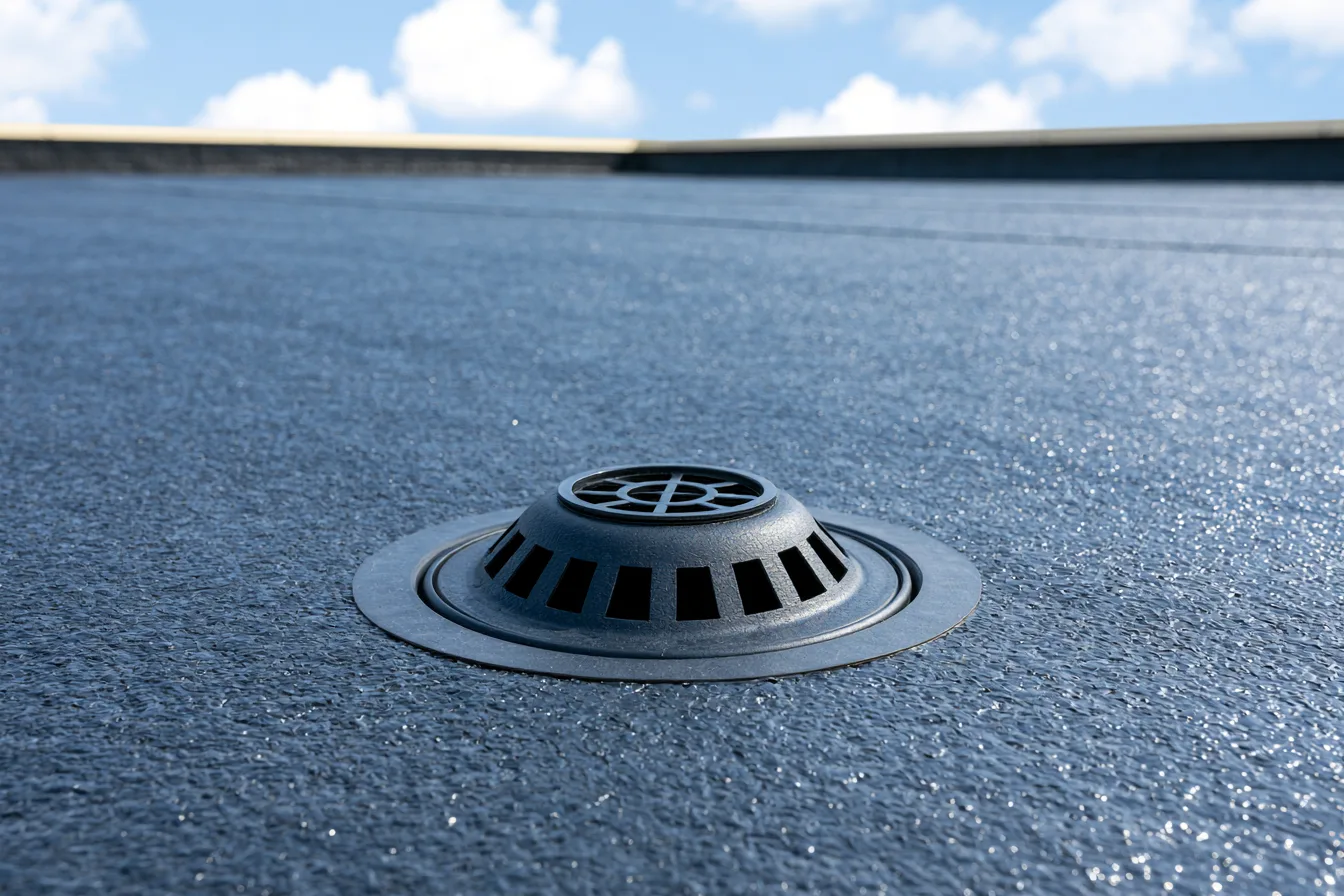
A drain or scupper is part of the roof's water path. Debris, damaged connections or a drainage arrangement that leaves water standing can change the repair. A new membrane patch does not by itself correct the way water reaches an outlet.

Equipment curbs, pipes and other penetrations interrupt the covering. Flashing must connect the roof to those interruptions while accommodating the actual detail. That includes the corners and terminations around a curb, not just the open surface beside it.

Moisture below the surface needs its own assessment. Depending on the roof, investigation can include samples to establish which layers are wet and how far the affected area extends. Mechanical, electrical, plumbing or gas disconnections are separate trade work and need to be accounted for when equipment affects access or removal.

Domed roof drain in a granulated low-slope roof surface
Drainage work includes the outlet and its connection to the surrounding roof.

Commercial roofing costs in Yukon

Roof area matters, but two roofs with the same area can require very different work. The useful budget starts with what stays, what comes off and what must be rebuilt before the covering is installed.

Scope questionWhy it changes the project
How much existing material must be removed?The number and condition of existing layers affect removal, disposal and access to damaged material beneath them.
Are insulation and decking suitable to remain?Wet insulation, deteriorated support and attachment limitations can expand a surface repair into deeper work.
How will the new assembly be attached?Deck type, the selected roof system and its specified attachment details affect the materials and installation work.
What happens at edges, curbs and drains?Transitions, penetrations, drainage corrections and equipment interfaces add work that a square-foot figure alone does not describe.
How will the building remain protected during work?Entrances, deliveries, tenant activity, roof access, staged removal and necessary trade coordination affect how the project is carried out.

Yukon publishes separate residential and commercial permit information. The roofing permit guide explains the distinction and the roof-specific questions that need confirmation for a commercial project.

Commercial roofing around occupied buildings in Yukon

A practical commercial scope connects the roof work to the activities that depend on the building. Phasing should follow the actual project, rather than a promise that every business can operate without interruption.

  1. Understand the building and the roof

    Establish the roof system, leak concerns, access and building use. Existing plans or roof records can help when available; the roof's present condition still needs assessment.

  2. Define the work and the interfaces

    Separate repair, removal and replacement areas. Include drainage, curbs, edges, equipment and any necessary licensed trade work, together with a clear approach to concealed damage discovered during removal.

  3. Agree on staging and protection

    Account for entrances, loading areas, deliveries and sensitive operations. Plan access, material handling and temporary exposure around the work that can be completed and protected in each stage.

Commercial roofing FAQs in Yukon

Will a roof coating stop every commercial roof leak?

No. A coating is a system selected for a suitable existing roof, with the necessary preparation and detail repairs. It does not remove wet insulation, replace an unsound deck or correct every drainage problem. Those conditions determine whether restoration is appropriate or whether parts of the assembly need removal.

Does wet insulation mean the entire roof must be replaced?

The extent matters. Investigation has to establish where moisture is present, how far it extends and whether the remaining assembly is suitable. Localized wet material can create a different scope from moisture spread throughout the roof. A surface appearance alone does not establish that boundary.

Can roof work take place while the building is occupied?

Occupied-building work needs an agreed plan for access, entrances, material handling, equipment and the activities below. The selected system and scope can affect noise, odors and temporary restrictions. Whether work can be phased around normal use depends on the actual building and project.

What information helps start a commercial roofing request?

Give the property address, the type of building and what you have noticed. A leak over one room, recurring water near equipment or a planned replacement is enough to begin the conversation. Include the roof type if you already know it, and send the project details using the request form.

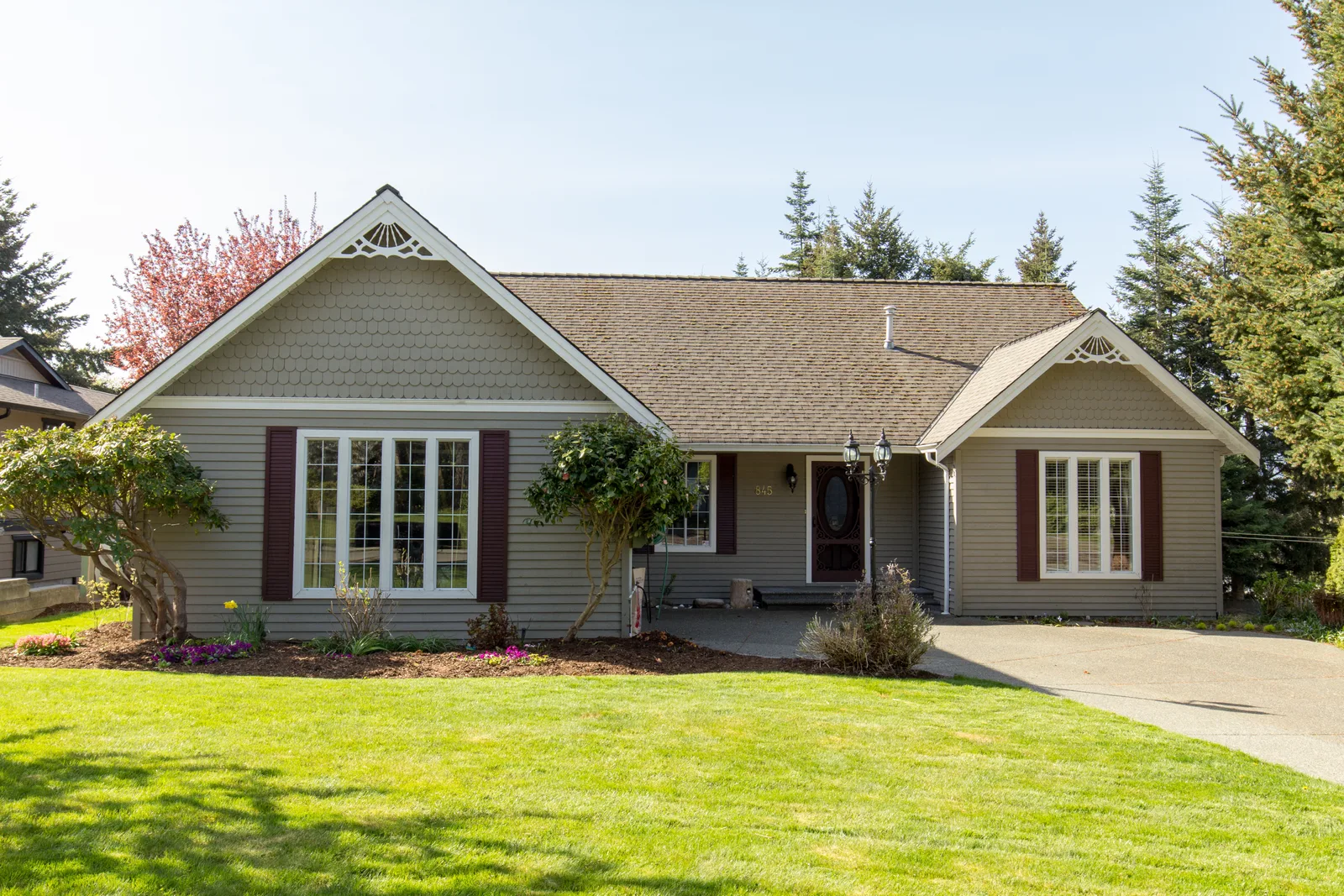
Single-story house with a brown shingle roof and covered entrance

Commercial roof inspections in Yukon

Tell us where the property is, how it is used and what is happening with the roof. Start with the problem you know about, whether that is an active leak, repeated repairs or replacement planning.

(405) 467-3350

Tell us about your commercial roof

Include the building use and roof concern in your project notes.

Call (405) 467-3350Request inspection