A local seam or flashing defect
A compatible repair can be considered when the surrounding membrane and underlying assembly remain suitable. The patch or new detail needs a sound connection beyond the damaged area.
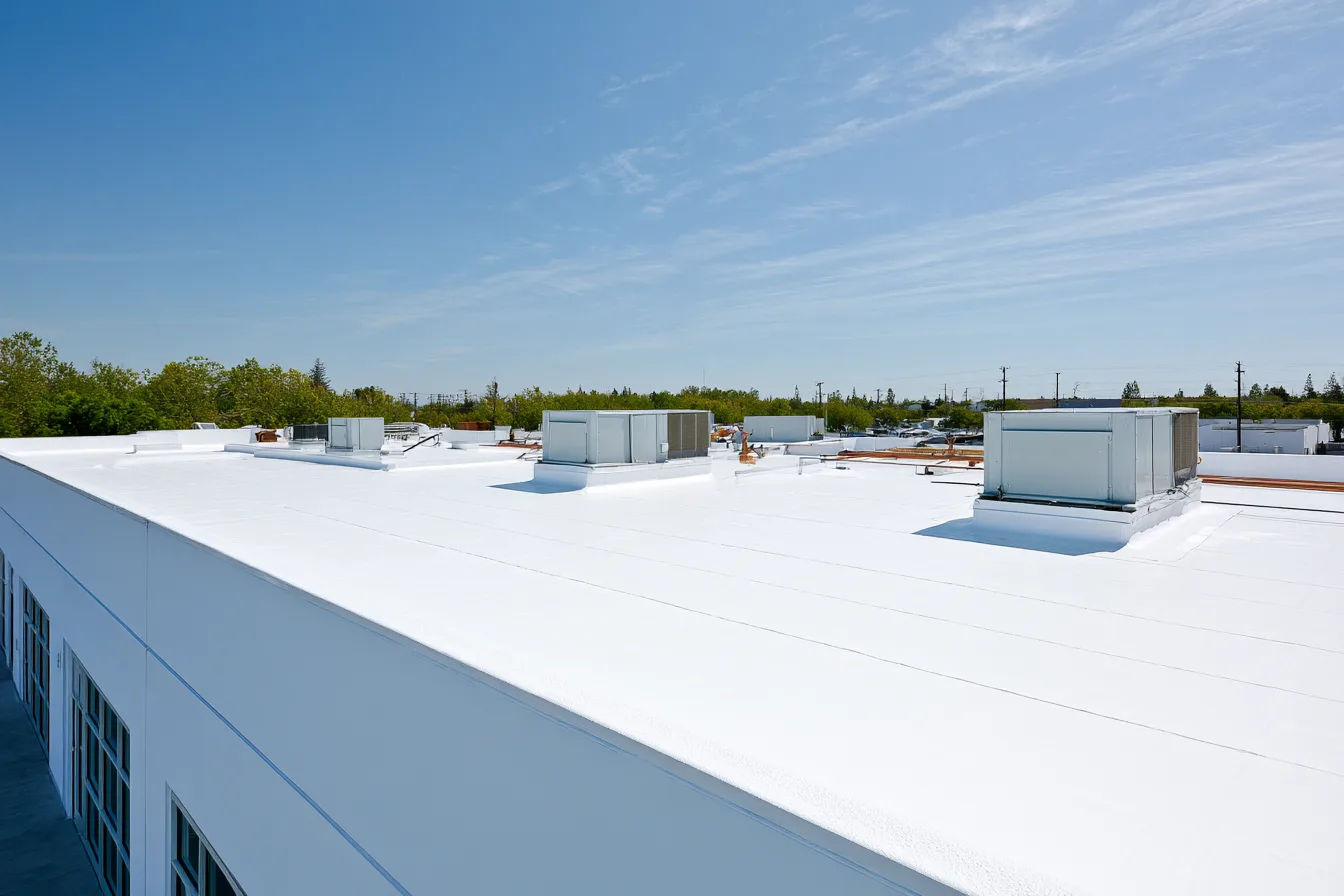
A TPO roof is more than its white surface. The thermoplastic membrane, welded seams, attachments and flashing around equipment work as one assembly. A repair or replacement needs to account for each part and the building beneath it.
Free roof inspections. Clear repair and replacement options.
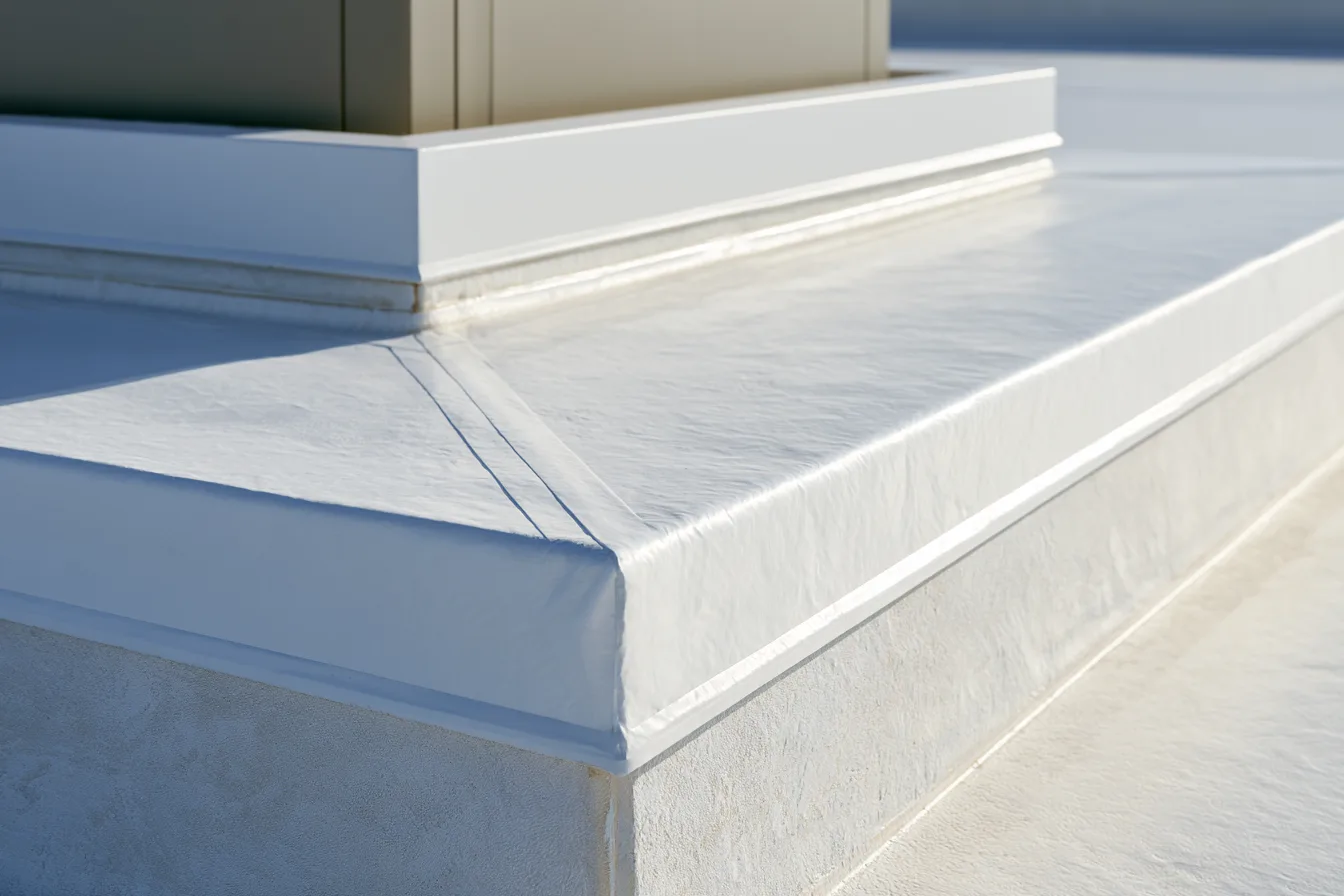
TPO is a thermoplastic membrane. Its overlapping sheet seams are joined by heat welding, which creates the connection between sheets. That is different from the taped splices used in an EPDM rubber system.
For an existing roof, a seam repair needs to suit the membrane and its present surface condition. Old patches, contaminants and the condition of the adjoining sheet affect how the work is prepared. The completed connection also needs the system's appropriate quality checks. A bead across the top of an opening does not establish the same repair.
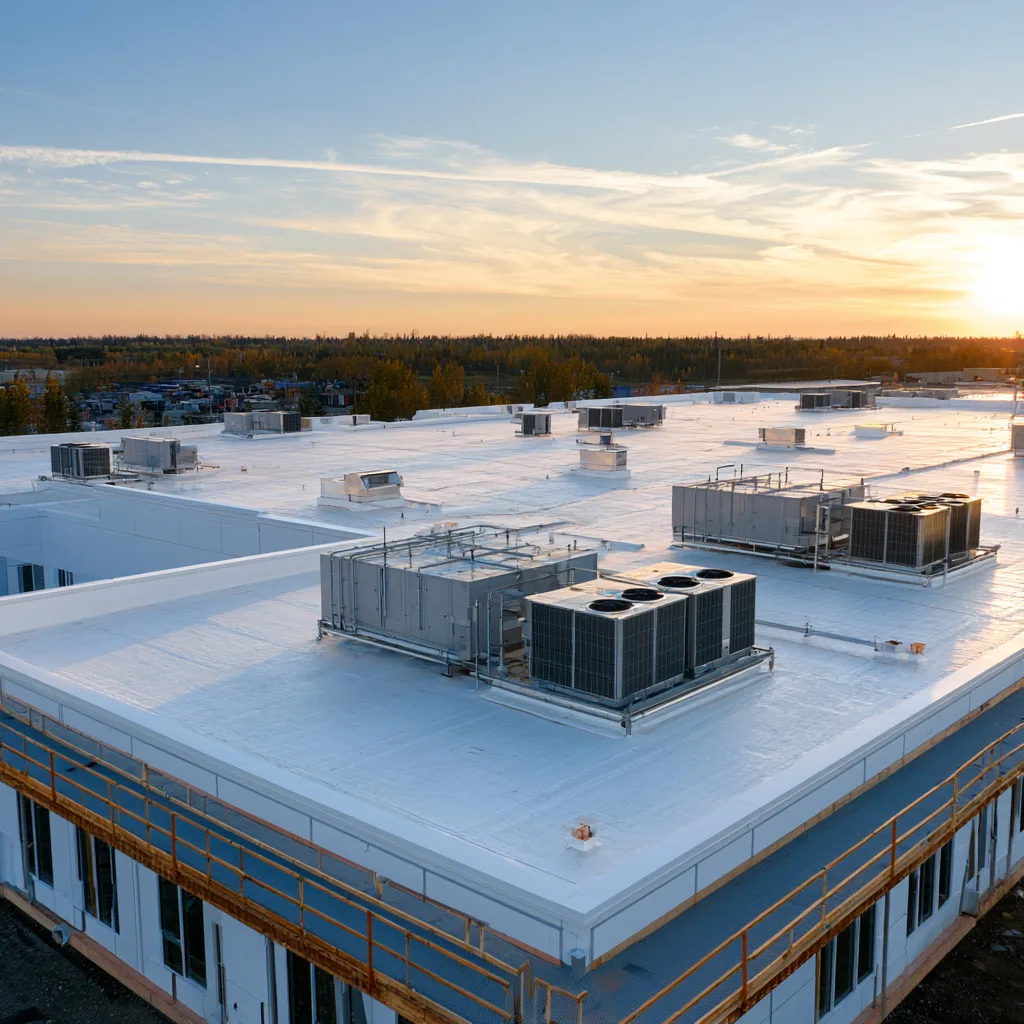
A compatible repair can be considered when the surrounding membrane and underlying assembly remain suitable. The patch or new detail needs a sound connection beyond the damaged area.
Wet insulation, loose attachment or an affected deck changes the depth of the work. Rebuilding a defined area may be needed before the surface can be made continuous again.
The existing assembly, moisture, attachment, structural capacity and current requirements determine what can be retained. A new membrane does not resolve an unsound base.
Understand flat-roof repair scope| Detail | Why the proposal needs to address it |
|---|---|
| Field seams | Sheets have to be connected using a repair or installation method compatible with the actual membrane and condition. |
| Curbs and pipe penetrations | The horizontal roof must connect to vertical and irregular shapes without leaving an open water path. |
| Perimeters and terminations | The membrane connection, edge metal and attachment work together at the roof boundary. |
| Insulation and cover layers | Thickness, condition and attachment affect the assembly beneath the visible membrane. |
| Drainage | Water has to reach the intended outlets. Changing the covering alone does not correct every low spot or drain issue. |
Exhaust exposure, roof traffic and the equipment above the roof can affect the material and detail choices. TPO and PVC are both thermoplastics, but they are different chemistries. A recommendation should fit the actual use rather than treat every white sheet as interchangeable.
Access for service technicians, paths to equipment and protection around penetrations also belong in the project. These are building-operation questions as well as roofing questions.
No. Other membranes and coatings can also be white. The existing material needs to be identified before choosing a compatible repair.
A product's appearance is not enough to establish compatibility. Any tape, flashing or welded repair has to be part of a method approved for the actual membrane and condition. TPO and EPDM are different systems.
Our EPDM page explains the rubber-membrane distinction.
The color alone does not predict your energy bill. Insulation, the rest of the roof assembly and building conditions affect performance. A project-specific savings estimate needs those conditions accounted for.
That depends on the existing assembly and the requirements of the proposed restoration system. Wet or unsound layers and failed details need to be addressed before a coating is considered.
Read about coating eligibility.

Tell us the address, what has changed and any membrane information already in the roof file. The system and project fit can then be established for the work needed.
(405) 467-3350