TPO and PVC thermoplastic membranes
Heat-welded seams connect these membranes. Repair materials and welding procedures must fit the actual product and its condition. Equipment curbs, drains and penetrations remain part of the roof’s water barrier.
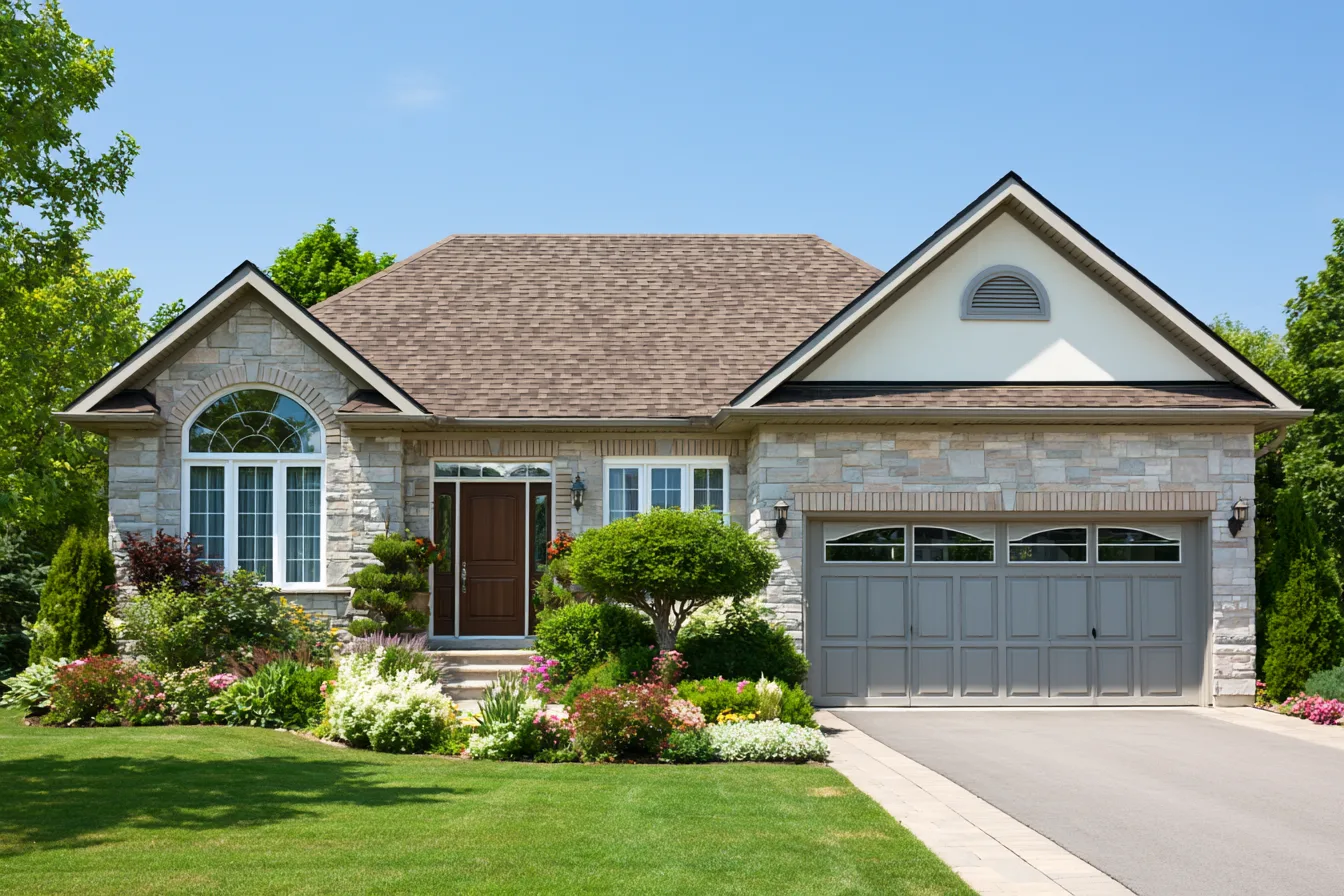
The right roof covering starts with the building: its slope, support, drainage and existing details. Compare the systems on that basis before choosing a finish.
Free roof inspections. Clear repair and replacement options.
A standing-seam panel, an asphalt shingle and a low-slope membrane shed water differently. They also connect to the roof in different ways. A material that suits one slope or building use is not automatically the right choice for another.
The useful comparison covers the work around the material: what supports it, how it is attached, how the joints stay weather-tight and what a future repair would involve.
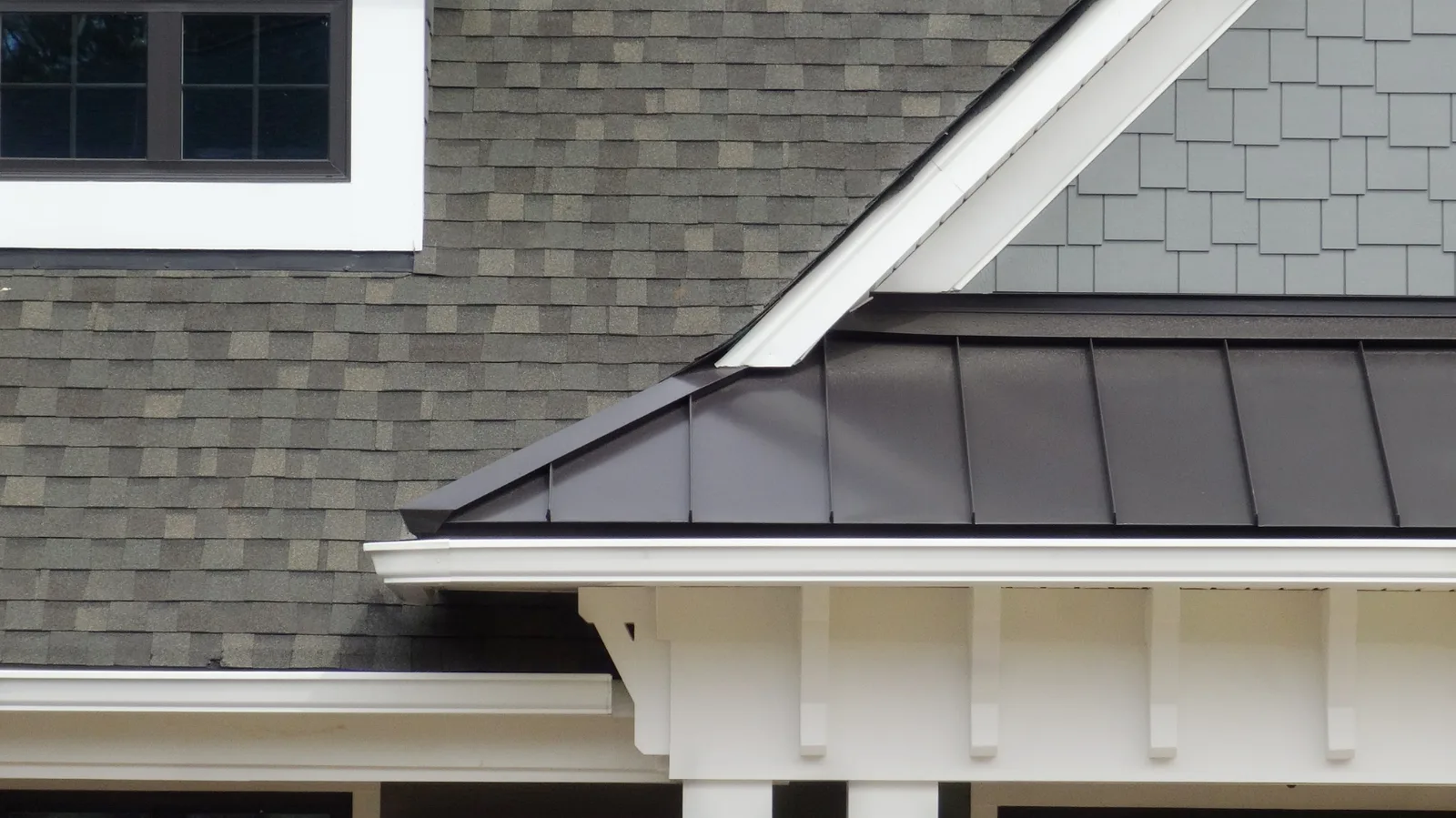
This comparison explains system choices. The roof assessment and product instructions determine the suitable option for a particular property.
| System | Where the decision starts | Details that affect the work |
|---|---|---|
| Asphalt shingles | Whether the roof slope and deck suit the product and a complete water-shedding assembly. | Underlayment, edges, shingle attachment, flashing and ventilation. |
| Standing-seam metal | The panel system, slope, support and room for thermal movement. | Concealed attachment, panel joints and system-specific eave, ridge and penetration details. |
| Exposed-fastener metal | The panel profile and how its fasteners seal the holes through the panels. | Screw seating, sealing washers, panel movement and compatible details. |
| Low-slope membranes | The existing deck, insulation, drainage and building use. | Seams, curbs, drains, penetrations and compatibility with the selected assembly. |
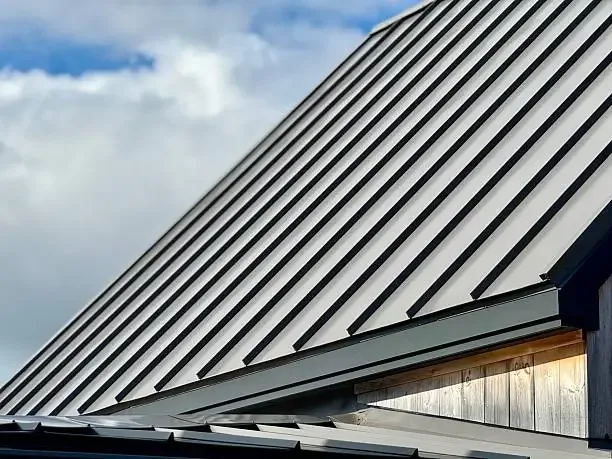
Metal moves as its temperature changes. A standing-seam system can use clips that allow specified panel movement while keeping the attachment concealed. An exposed-fastener system places screws through the panels, with sealing washers at those openings.
Those differences affect installation and later maintenance. A damaged washer, an incorrectly seated screw or a detail that restrains movement calls for a different repair than an open shingle lap.
The metal roofing service page develops the work around those choices. A metal finish by itself does not establish that an existing roof can be covered without removal or structural review.
Heat-welded seams connect these membranes. Repair materials and welding procedures must fit the actual product and its condition. Equipment curbs, drains and penetrations remain part of the roof’s water barrier.
EPDM uses a different seam and repair system, including compatible splice materials. A repair method intended for a thermoplastic membrane does not transfer just because both roofs look like flat sheets.
| Project detail | Why it matters |
|---|---|
| Roof slope and drainage | A covering must work with the way water leaves the roof. Low areas and drainage faults need attention alongside the surface. |
| Existing deck and added load | A different covering or retained layer changes the load and attachment question. The actual support needs evaluation. |
| Walls, pipes and equipment | The new material has to connect to the building at these transitions. A surface replacement alone does not rebuild every concealed joint. |
| Access and building use | Occupied rooms, entrances, loading areas and rooftop equipment affect how the work can proceed. |
No. The choice depends on the roof, panel system, attachment details, appearance and project scope. A higher material price does not settle those questions.
Yes, when a compatible repair can connect to sound surrounding materials. Wet insulation, damaged support or widespread deterioration can widen the work beyond the membrane surface.
No. Our roof-cost planning tool currently models a defined architectural-asphalt replacement scenario. Metal and commercial systems need a scope-specific price rather than an invented multiplier.
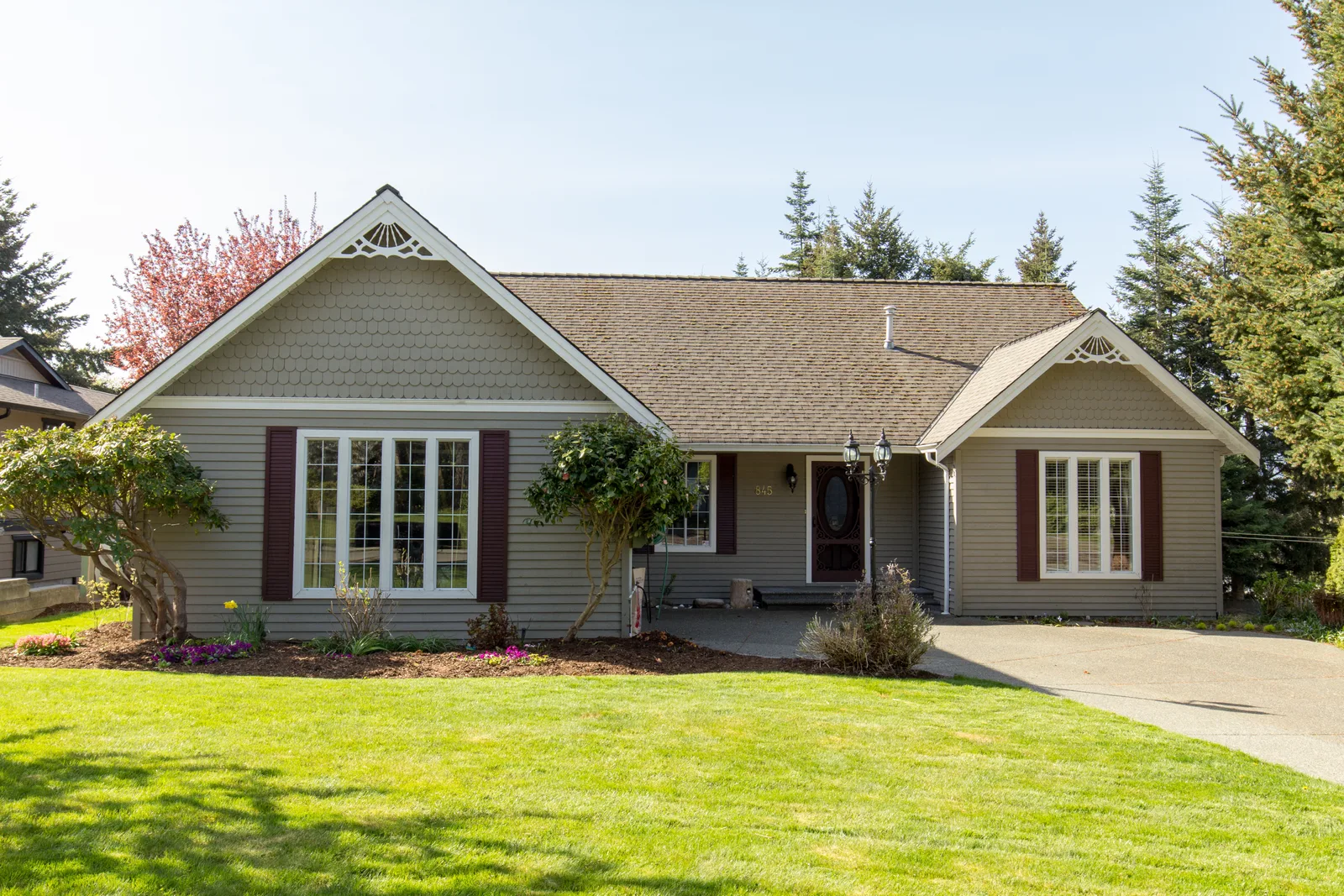
Tell Yukon Roof Pros whether you are dealing with a leak, a worn covering or a planned replacement. A free roof inspection helps put suitable materials beside the condition and use of the property.
(405) 467-3350