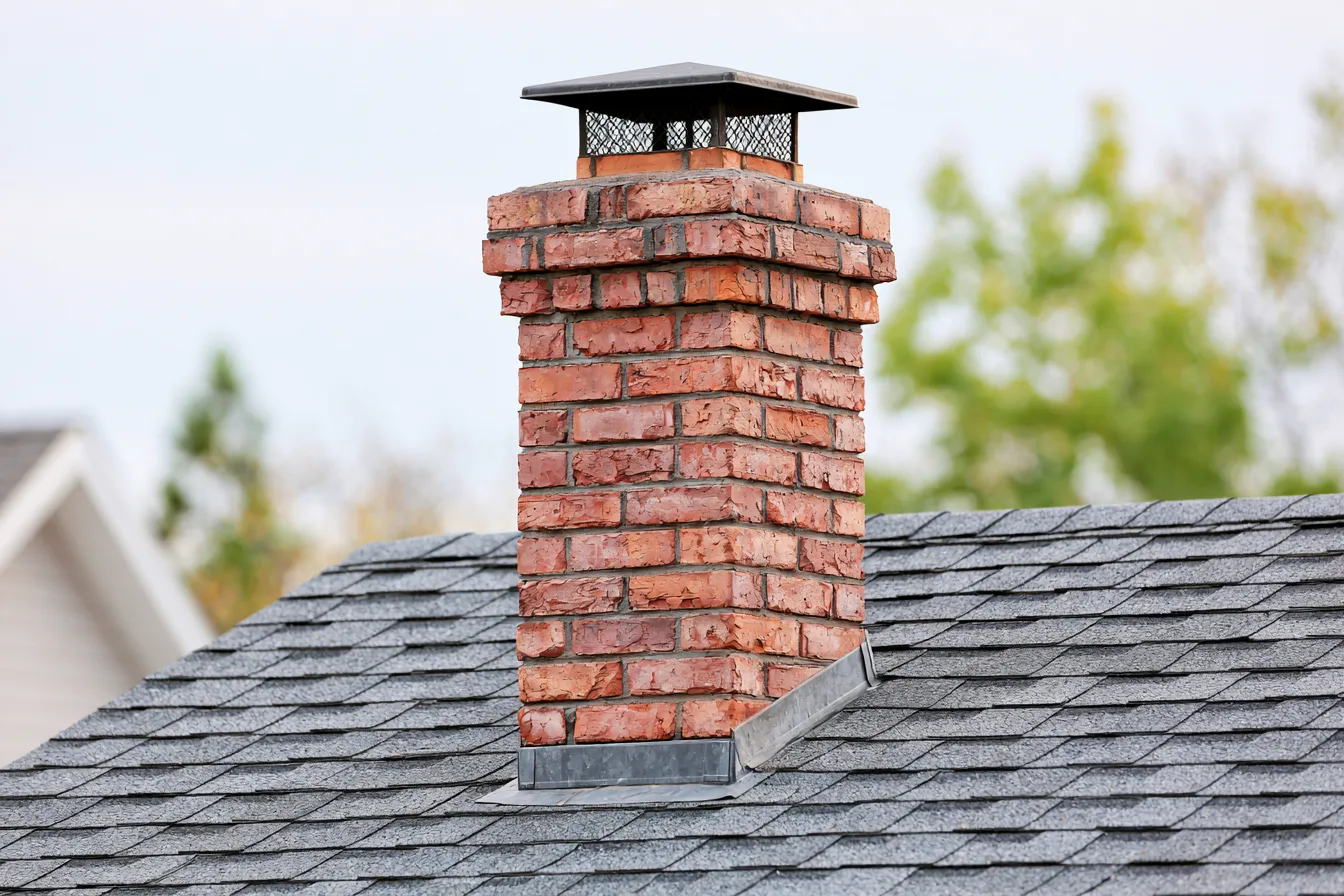
How flashing connects roof and wall drainage
Shingles direct water down a slope through overlapping courses. A wall has its own water-management layers behind the visible siding or finish. Where they meet, flashing needs to direct water out over the roof instead of into the building.
The metal that can be seen from the ground is only part of that connection. Material can appear tight against the wall while water is getting behind it from above. Rebuilding the visible edge without addressing the concealed connection can leave the entry path open.
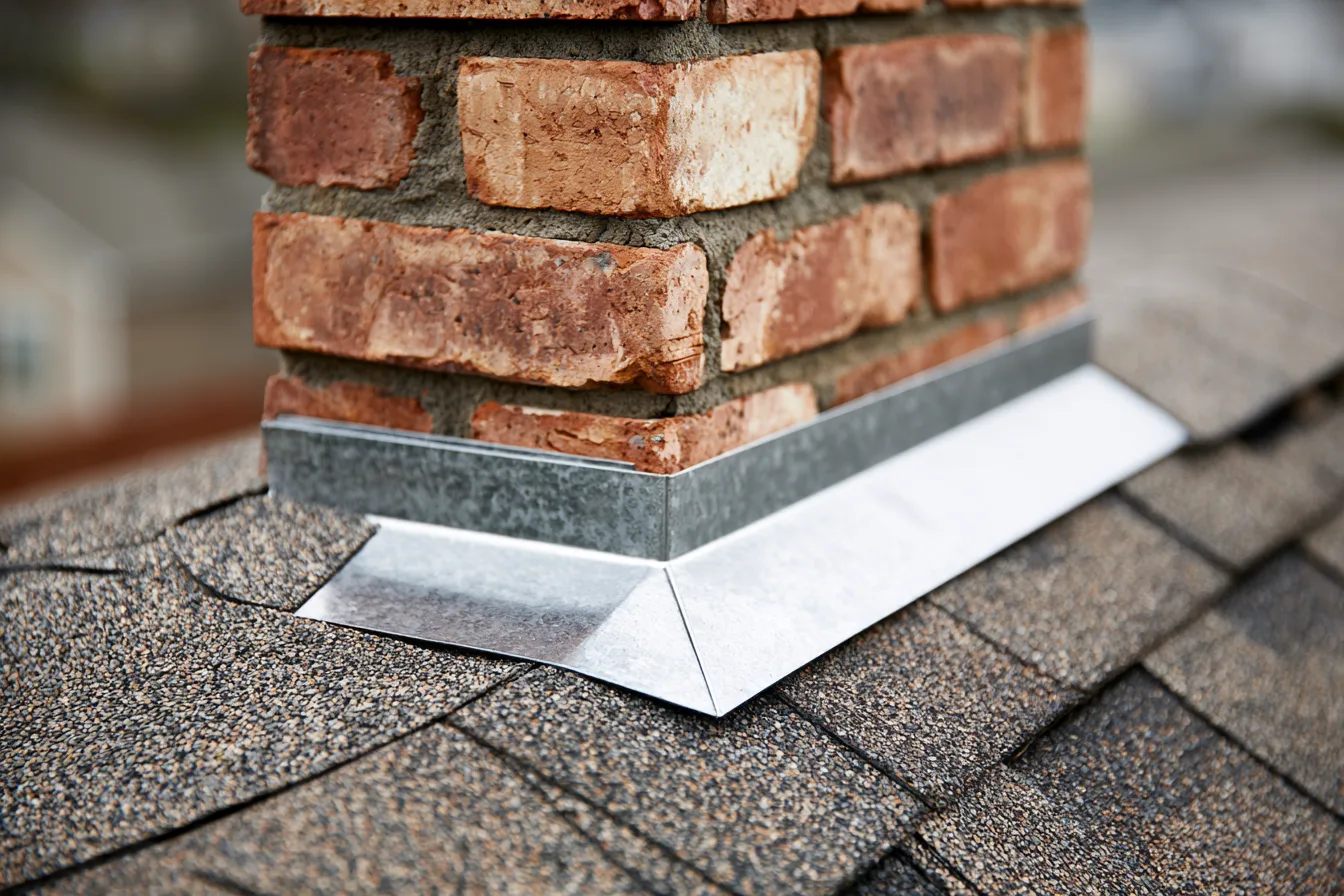
Step flashing and kick-out flashing
At a sloped sidewall, individual step-flashing pieces overlap with the shingle courses. One leg turns up the wall; the other extends onto the roof. The arrangement is meant to move water back out as it travels down the junction.
At the lower end, kick-out flashing redirects that water away from the wall and toward the intended roof-edge drainage path. Without an effective turn out, water can concentrate at the wall below the roof edge.
The wall connection matters just as much as the metal shape. Flashing needs suitable integration with the wall’s drainage layers. That can require access beyond the exposed shingle edge, depending on the siding, finish and existing installation.
Flashing faults and the repairs they need
| Condition | How it changes the work |
|---|---|
| A displaced or damaged flashing piece | The affected joint needs to be opened far enough to restore a sound overlap with the roof covering. |
| A missing or ineffective lower diversion | Water needs a working route away from the wall at the bottom of the sloped junction. |
| Flashing disconnected from wall drainage | The repair needs to reach the wall-side water path, rather than treating only the exposed metal edge. |
| A previous surface patch over concealed damage | The material underneath still needs assessment before the next repair is selected. |
Why caulk can leave a flashing leak unresolved
Sealant can have a specified role in a roof detail, but it does not turn a disconnected assembly into a correctly lapped water path. A surface patch may cover the place where water exits while the opening remains farther up the joint.
The repair boundary depends on access to sound material. Surrounding shingles must be workable, the metal must suit the detail and the wall connection must be addressed. Damaged wood or an inaccessible transition can widen the work.
The roof flashing service page explains that repair scope. The broader roof repair guide covers other details that can produce a similar indoor symptom.
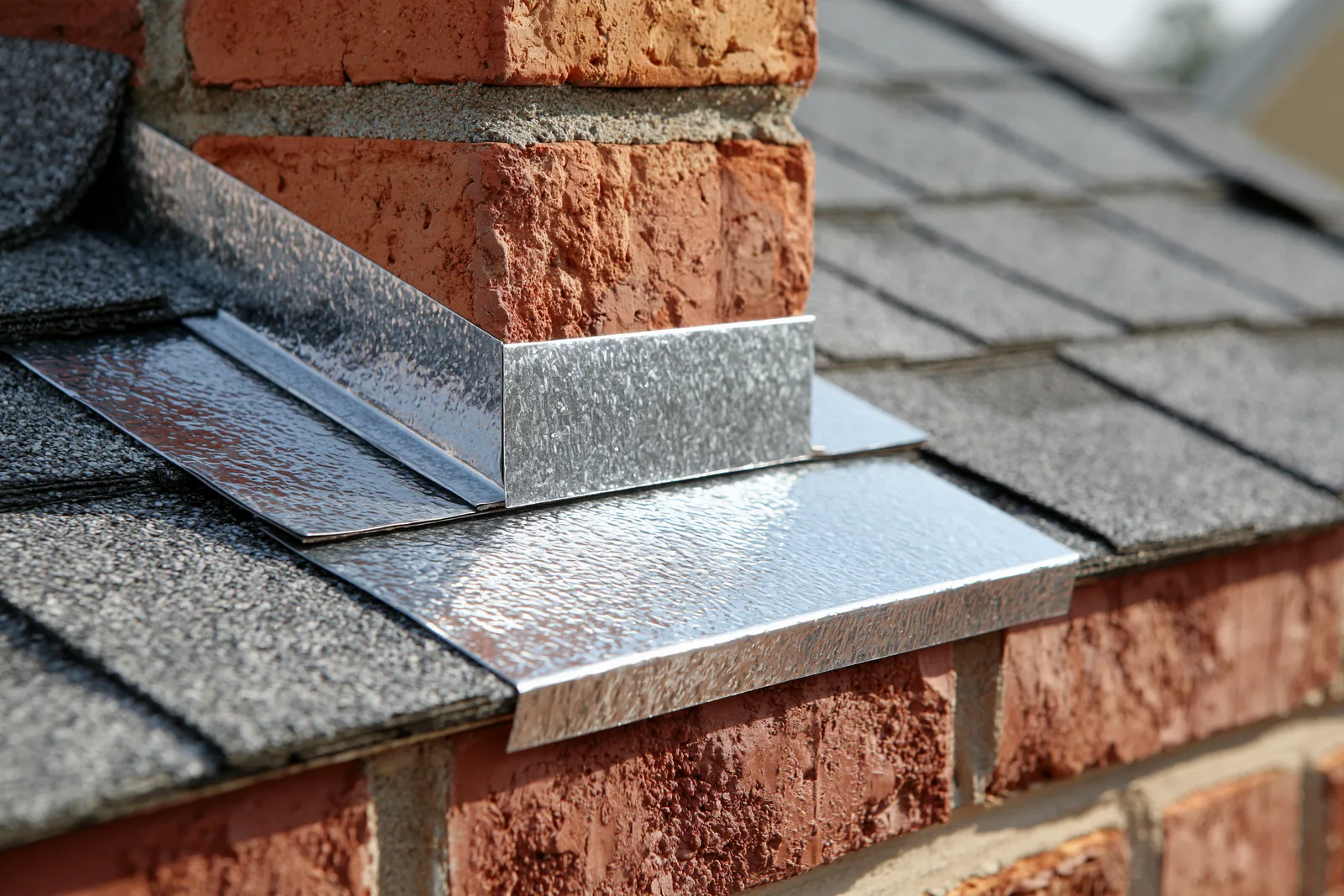
Roof-to-wall flashing during roof replacement
A new covering is an opportunity to settle the condition of the wall junction. Simply running new shingles up to an old failed connection can carry the same water path into the replacement.
The proposed work should distinguish the covering, flashing and any wall-side access needed to make the connection. Those are different parts of the job, and hidden deterioration can change the scope once the area is opened.
For a full reroof discussion, the replacement page explains the relationship between the visible covering and the supporting roof system.